Does Medium Give Backlinks? Dofollow or Nofollow
Medium marks every outbound link rel="noopener ugc nofollow", on medium.com and on custom-domain publications alike, and no plan or setting switches it off.
Medium gives no followed link. We checked the rel attribute on live article pages, though Medium blocked our own direct fetch with an HTTP 403, so this answer rests on independent live checks of page source from July to October 2026: every outbound link carries rel="noopener ugc nofollow", on medium.com and on custom-domain publications alike.
Medium is an open publishing platform for long-form writing, with publications, a recommendation feed and a Partner Program that pays writers from member reading time. Publishing is free, and the link you place in a story will not pass equity, whatever you pay for.
TL;DR
- Every outbound link on Medium carries rel="noopener ugc nofollow", including the author-bio link, and no setting, plan or publication can switch it off.
- Publishing is free. Membership costs $5 a month, or $15 a month for Friend of Medium, and neither plan changes the link treatment, checked November 2026.
- The Import Tool adds a canonical link back to your original post, which protects your original from being outranked by the Medium copy, but it does not make the Medium link followed.
How much SEO value it really has
A Medium link passes no link equity, so it will not lift your rankings. That is the whole answer for SEO, and it is worth saying plainly before anything else. What Medium does give you is readers.
A story that the recommendation feed picks up can reach thousands of people who would never find your blog, and some of them will link to your original post from their own sites. Those second-hand links are the real SEO value, and they come from people who chose to cite you, not from the Medium link itself.
There is a second value that is easy to miss. Medium ranks well in search, so a story on Medium can outrank your own site for the same topic if you copy a post there without a canonical link.
That is why the Import Tool matters: it sets a canonical link back to your original, so Google knows which version is the original. Use it every time you republish, or your own Medium copy can compete with your own site.
Our backlink checker can show you which of your links are nofollow and which are followed, so you can see the split across your profile.
How to get a link from Medium
- Create a free account on Medium. Publishing costs nothing and needs no membership, so the $5 and $15 plans are reader subscriptions, not publishing fees.
- Write the story on Medium, or write it on your own site first and bring it over with the Import Tool. The Import Tool sets a canonical link back to your original URL.
- Add your link in the story body or in your author bio. Both will carry rel="noopener ugc nofollow", so write the link text for readers, not for search engines.
- Publish in a publication with readers in your topic, or start your own. Publications have their own followers, and a story in a large publication reaches more people than the same story on a bare profile.
- If you republish a post by hand instead of using the Import Tool, set the canonical yourself under More settings, then Advanced Settings, using "This story was originally published elsewhere". That protects your original from being outranked by the copy.
Where the link appears
The link appears in the story body, wherever you place it, and in your author bio at the end of the story. Both carry the same tag: rel="noopener ugc nofollow". The tag is the same on medium.com subdomains and on custom-domain publications, so moving your publication to your own domain does not change the link treatment.
The canonical link is a separate thing: it sits in the page head, not in the body, and it points from the Medium copy back to your original URL. It tells Google which version is the original, and it is duplicate-content protection, not link building.
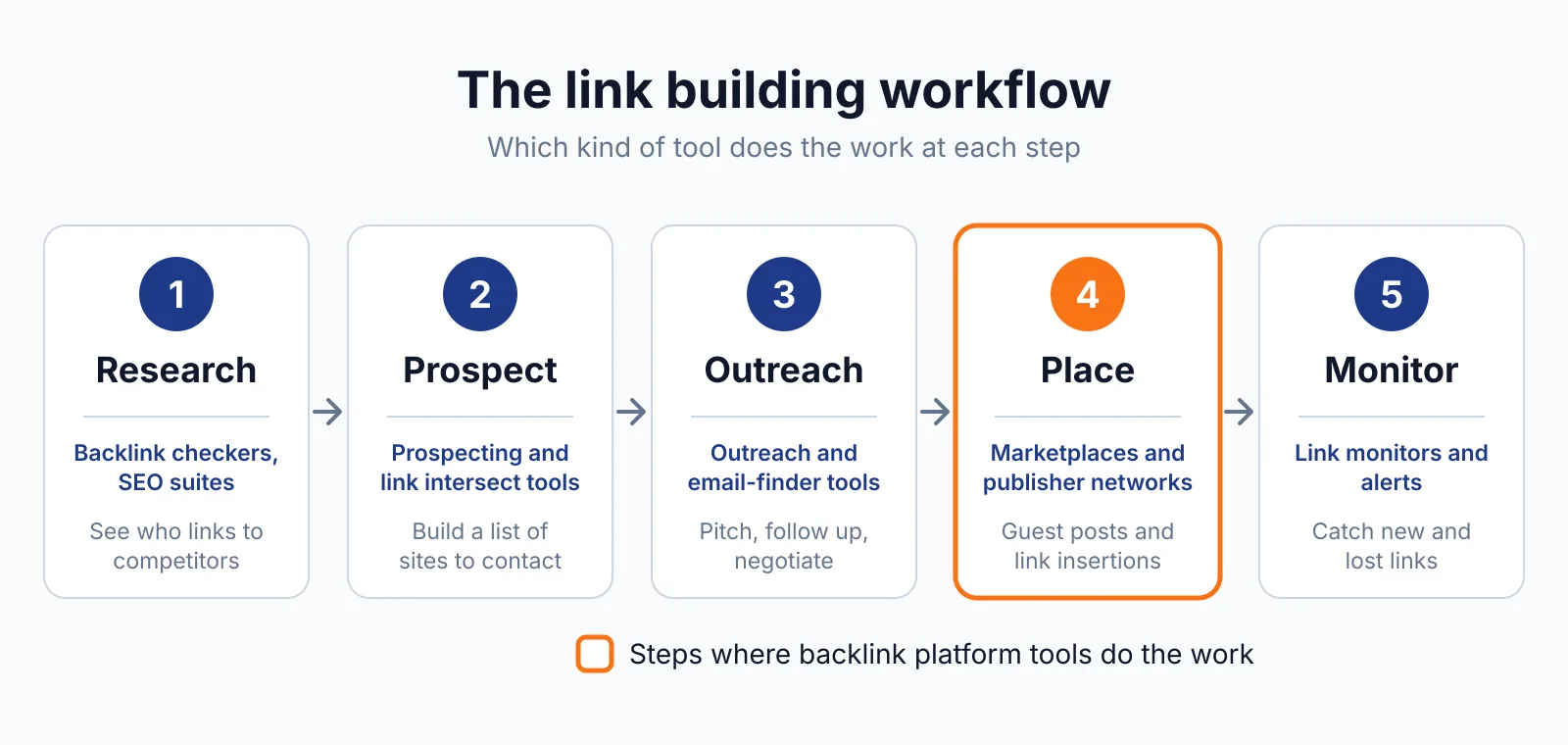
Our guest posting service covers placements where the link terms are agreed up front, which is a different route from a Medium story.
Spam risk and rules
Medium is a low-risk place to publish, as long as you publish for readers. A story with a link back to your site is normal, and nobody will penalise you for it, because the link is already nofollow. The risk starts when you publish thin stories only to place links, or when you copy other people's work to your publication.
That is spam in Google's eyes, and Google treats links bought or built for ranking as spam unless they carry rel="sponsored" or rel="nofollow", as its spam policies explain.
Medium already marks your links nofollow, so the rule is satisfied on the platform side, but a pattern of thin, link-first stories can still hurt your reputation with readers and with Medium's own distribution. Write something worth reading, link once or twice where it helps the reader, and leave it there.
We cover the other publishing platforms in this batch too, including Substack and LinkedIn Articles. A publishing link from Substack works differently, since posts there carry no rel attribute, while a link from GitHub is nofollow by the same rule as Medium.
FAQ
Does a Medium membership change the link to dofollow?
No. Member at $5 a month and Friend of Medium at $15 a month buy reader benefits, like member-only stories, audio narrations and offline reading. Neither plan changes the link treatment, and no publication setting switches it off either.
Will my Medium story outrank my own blog post?
It can, if you copy a post to Medium without a canonical link. Use the Import Tool, which adds a rel="canonical" tag pointing back to your original URL, or set it by hand under More settings, then Advanced Settings. The canonical protects your original, but it does not turn the Medium link into a followed one.
Are links on custom-domain Medium publications followed?
No. Independent live checks from July to October 2026 found the same rel="noopener ugc nofollow" tag on medium.com subdomains and on custom-domain publications alike. A custom domain changes the address of your publication, not the link treatment.
Next step
Use Medium for readers, not for links, and always import with a canonical link back to your original. See our pricing for link building where placements are checked, or contact us to talk through a plan. Our digital PR service covers earned coverage, which is where followed links usually come from.

The BacklinkPrice Team researches backlink prices, publisher sites and link building tools. We check prices and plans against each provider's own pages and date them, so you know how current the numbers are.
More from BacklinkPrice TeamRelated guides